Limestone, River Rock, or Masonry Sand: Picking the Right Aggregate
A pile of gray rock and a pile of tan rock can look similar. What they're for usually isn't.
September 6, 2026 · 3 min read
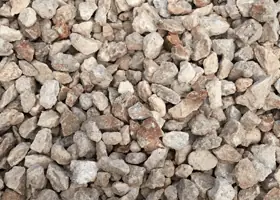
Not all aggregate is interchangeable, even though a pile of gray rock and a pile of tan rock can look similar from the tailgate of a truck. What you're building, and what that material is actually for, decides which one is the right call.
Limestone: the West Texas workhorse
Crushed limestone is the base material most South Plains jobs run on, from a compacted sub-grade under a driveway to the fill under a parking lot. It compacts well, it's regionally abundant, and it's what most Lubbock contractors spec by default for base and fill work. If a project calls for a general-purpose aggregate and nobody's specified otherwise, limestone is usually the right first question to ask.
River rock: a different job entirely
River rock is rounded rather than crushed, which means it doesn't lock together and compact the way crushed limestone does. It's a landscaping and drainage material, not a structural base material. Using river rock where a job actually needs a compactable base is a common mismatch, and it tends to show up later as settling that a proper base material wouldn't have caused.
Landscape and integral aggregate for a finished look
Aggregate isn't only structural. Landscape aggregate goes into flower beds, dry creek beds, and ground cover where drainage and appearance matter more than compaction. Integral concrete aggregate is a different thing again, a specified aggregate blended into the ready-mix itself, which is part of how a residential slab or patio ends up with a particular color or finished texture rather than plain gray. If a homeowner's after a specific look for a patio or walkway, that's worth discussing before the order goes in, since it changes what goes into the mix, not what gets placed after it.
Sand: mortar sand and masonry sand aren't the same product
Mortar sand is fine and uniformly graded, used in mortar mixes where consistency matters for the bond. Masonry sand is a related but distinct product with its own grading. If you're working with a mason or laying block yourself, it's worth confirming which one the job calls for rather than assuming one sand fits both uses.
- Mortar sand: fine, consistent grading, used in mortar mixes
- Masonry sand: a related product with its own grading, used in masonry work
- Landscape aggregate: decorative or functional ground cover, not a structural base
- Concrete aggregate: the coarse and fine aggregate that goes into ready-mix itself
Crushed concrete: the recycled option
We also supply crushed concrete, reclaimed and reprocessed rather than freshly quarried. It works well for base and fill applications where the job allows a recycled aggregate, and it keeps material moving on the South Plains instead of trucking it in new and hauling waste back out. As a HUB-certified, family-owned yard, keeping that loop local is something we take some pride in.
Bought by the ton, not by the yard
One practical difference worth knowing before you order: ready-mix concrete is sold by the cubic yard, but aggregate, whether it's limestone base, river rock, or sand, is typically sold by the ton. Figuring how much you need starts the same way, working out the volume of the area you're filling or covering, but the conversion to weight depends on the specific material and how it's compacted. If you're not sure how a volume estimate translates to a tonnage order, that's another good question to bring to the plant rather than guess at.
When you're not sure, describe the job
The honest answer to which aggregate you need is almost always that it depends what you're building. Call the plant, describe the project, whether it's a base course, a landscape bed, a mortar mix, or fill for a low spot, and the team will point you at the right material rather than whatever's easiest to load. It costs nothing to ask, and getting the wrong aggregate on site is a more expensive mistake to fix than a phone call before the truck leaves.
A contractor spec'ing material for a commercial job and a homeowner picking up a load for a weekend project both run into the same rule at the counter: name the job first, and let the aggregate follow from that, not the other way around.
Triple C Concrete — (806) 745-1111
Call (806) 745-1111More articles
How Much Concrete to Order for a Lubbock Job
Get the math right before the truck leaves Erskine Street and the pour goes a lot smoother.
What's Under Your Slab Matters as Much as What's In It
The ground under a South Plains slab does more work than most people give it credit for.